Buy nascutinromania.eu ?
We are moving the project
nascutinromania.eu .
Are you interested in purchasing the domain
nascutinromania.eu ?
domain@kv-gmbh.de · 0541-91531010
Buy nascutinromania.eu ?
How can one counter cancel culture?
One way to counter cancel culture is by promoting open dialogue and encouraging diverse perspectives. It is important to listen to different viewpoints and engage in constructive conversations rather than resorting to silencing or shaming individuals. Additionally, educating oneself on the complexities of the issues at hand and approaching discussions with empathy and understanding can help foster a more inclusive and tolerant environment. Lastly, advocating for forgiveness and second chances, as well as focusing on personal growth and learning from mistakes, can help mitigate the negative impacts of cancel culture. **
How can one forget culture and heritage?
One can forget culture and heritage by not actively engaging with it, by being disconnected from one's roots and community, and by prioritizing other aspects of life over preserving and celebrating one's cultural identity. This can happen through assimilation into a different culture, lack of exposure to one's own cultural traditions and practices, and a lack of interest in learning about one's heritage. Additionally, societal pressures and discrimination can also contribute to the erasure of one's culture and heritage. **


Similar search terms for Counter-culture
Top-Angebote
Products related to Counter-culture:
-
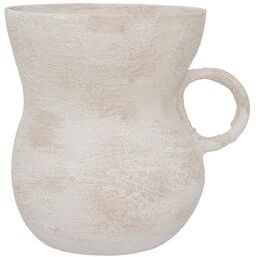
Urban Nature Culture Vase RelaxedQuiet elegancy comes to life in Urban Nature Culture's vase Relaxed. Handmade in Portugal, this ceramic vase has a shape beyond anything you've seen - it's organic, it flows and steals your heart with its playful ear.123,40 $*Shipping: 0,00 $Secure redirect to the provider



-
What are event culture and time culture?
Event culture refers to the way in which events, such as festivals, concerts, and sporting events, shape and influence a society's values, beliefs, and behaviors. Time culture, on the other hand, refers to the way in which a society perceives and organizes time, including concepts of punctuality, scheduling, and the pace of life. Both event culture and time culture play a significant role in shaping social interactions, traditions, and overall societal norms. **
-
Which culture has the most beautiful traditional dance?
Beauty is subjective and varies from person to person, so it is difficult to determine which culture has the most beautiful traditional dance. Each culture has its own unique and beautiful traditional dances that hold significance and meaning within their respective communities. It is important to appreciate and respect the beauty of traditional dances from all cultures, rather than trying to compare and rank them. **
-
Which culture is the best culture in the world?
It is not appropriate to label any one culture as the "best" in the world as every culture has its own unique strengths and values. Each culture contributes to the diversity and richness of the world, and it is important to respect and appreciate the differences among them. Instead of comparing cultures, it is more valuable to learn from and celebrate the diversity of cultures around the world. **
-
Why is Turkish culture often confused with Arab culture?
Turkish culture is often confused with Arab culture due to several factors. Firstly, both cultures are located in the Middle East and share some similarities in language, religion, and traditional customs. Additionally, there is a historical connection between the two regions through the Ottoman Empire, which had a significant influence on Arab countries. Furthermore, the media and popular culture often portray a homogenized view of the Middle East, leading to misconceptions and generalizations about the diverse cultures within the region. However, it is important to recognize and appreciate the distinct differences and unique aspects of Turkish and Arab cultures. **


Is culture important?
Yes, culture is important because it shapes our identity, beliefs, values, and behaviors. It provides a sense of belonging and connection to others within a community. Culture also influences how we communicate, express ourselves, and understand the world around us. Embracing and respecting different cultures can lead to greater understanding, empathy, and cooperation among diverse groups of people. **
What is the difference between historical culture and memory culture?
Historical culture refers to the collective understanding and interpretation of historical events, traditions, and customs within a society. It encompasses the tangible and intangible aspects of a society's past, including artifacts, monuments, and rituals. Memory culture, on the other hand, focuses on the ways in which a society actively engages with and remembers its history. It involves the processes of commemoration, memorialization, and the transmission of historical knowledge through storytelling, education, and public discourse. While historical culture is the broader framework of a society's historical identity, memory culture is the active, dynamic practice of remembering and interpreting that history. **
Top-Angebote
Products related to Counter-culture:
-
How can one counter cancel culture?
One way to counter cancel culture is by promoting open dialogue and encouraging diverse perspectives. It is important to listen to different viewpoints and engage in constructive conversations rather than resorting to silencing or shaming individuals. Additionally, educating oneself on the complexities of the issues at hand and approaching discussions with empathy and understanding can help foster a more inclusive and tolerant environment. Lastly, advocating for forgiveness and second chances, as well as focusing on personal growth and learning from mistakes, can help mitigate the negative impacts of cancel culture. **
-
How can one forget culture and heritage?
One can forget culture and heritage by not actively engaging with it, by being disconnected from one's roots and community, and by prioritizing other aspects of life over preserving and celebrating one's cultural identity. This can happen through assimilation into a different culture, lack of exposure to one's own cultural traditions and practices, and a lack of interest in learning about one's heritage. Additionally, societal pressures and discrimination can also contribute to the erasure of one's culture and heritage. **
-
What are event culture and time culture?
Event culture refers to the way in which events, such as festivals, concerts, and sporting events, shape and influence a society's values, beliefs, and behaviors. Time culture, on the other hand, refers to the way in which a society perceives and organizes time, including concepts of punctuality, scheduling, and the pace of life. Both event culture and time culture play a significant role in shaping social interactions, traditions, and overall societal norms. **
-
Which culture has the most beautiful traditional dance?
Beauty is subjective and varies from person to person, so it is difficult to determine which culture has the most beautiful traditional dance. Each culture has its own unique and beautiful traditional dances that hold significance and meaning within their respective communities. It is important to appreciate and respect the beauty of traditional dances from all cultures, rather than trying to compare and rank them. **
Similar search terms for Counter-culture
-
Urban Nature Culture Vase RelaxedQuiet elegancy comes to life in Urban Nature Culture's vase Relaxed. Handmade in Portugal, this ceramic vase has a shape beyond anything you've seen - it's organic, it flows and steals your heart with its playful ear.123,40 $*Shipping: 0,00 $Secure redirect to the provider
-
Urban Nature Culture Vase Talvi - WhiteFloating the sea waves, a sense of calm takes over, feeling at home in the world. That same feeling we get at home, like a safe haven to relax our senses and feast our eyes on our most cherished things.267,80 $*Shipping: 0,00 $Secure redirect to the provider
-
Which culture is the best culture in the world?
It is not appropriate to label any one culture as the "best" in the world as every culture has its own unique strengths and values. Each culture contributes to the diversity and richness of the world, and it is important to respect and appreciate the differences among them. Instead of comparing cultures, it is more valuable to learn from and celebrate the diversity of cultures around the world. **
-
Why is Turkish culture often confused with Arab culture?
Turkish culture is often confused with Arab culture due to several factors. Firstly, both cultures are located in the Middle East and share some similarities in language, religion, and traditional customs. Additionally, there is a historical connection between the two regions through the Ottoman Empire, which had a significant influence on Arab countries. Furthermore, the media and popular culture often portray a homogenized view of the Middle East, leading to misconceptions and generalizations about the diverse cultures within the region. However, it is important to recognize and appreciate the distinct differences and unique aspects of Turkish and Arab cultures. **
-
Is culture important?
Yes, culture is important because it shapes our identity, beliefs, values, and behaviors. It provides a sense of belonging and connection to others within a community. Culture also influences how we communicate, express ourselves, and understand the world around us. Embracing and respecting different cultures can lead to greater understanding, empathy, and cooperation among diverse groups of people. **
-
What is the difference between historical culture and memory culture?
Historical culture refers to the collective understanding and interpretation of historical events, traditions, and customs within a society. It encompasses the tangible and intangible aspects of a society's past, including artifacts, monuments, and rituals. Memory culture, on the other hand, focuses on the ways in which a society actively engages with and remembers its history. It involves the processes of commemoration, memorialization, and the transmission of historical knowledge through storytelling, education, and public discourse. While historical culture is the broader framework of a society's historical identity, memory culture is the active, dynamic practice of remembering and interpreting that history. **
* All prices are inclusive of VAT and, if applicable, plus shipping costs. The offer information is based on the details provided by the respective shop and is updated through automated processes. Real-time updates do not occur, so deviations can occur in individual cases. ** Note: Parts of this content were created by AI.