Buy nascutinromania.eu ?
We are moving the project
nascutinromania.eu .
Are you interested in purchasing the domain
nascutinromania.eu ?
domain@kv-gmbh.de · 0541-91531010
Buy nascutinromania.eu ?
Do local user accounts slow down Windows?
Local user accounts do not inherently slow down Windows. The performance of a computer is more dependent on factors such as hardware specifications, running processes, and system settings. However, having multiple user accounts with various applications running simultaneously can potentially impact system performance. It is recommended to manage user accounts efficiently and close unnecessary programs to maintain optimal performance. **
How authentic are the accounts of Tim Lindemann's accusations?
The authenticity of Tim Lindemann's accusations is difficult to determine without further evidence or investigation. It is important to approach such accusations with caution and skepticism, as they can have serious implications for all parties involved. It is crucial to allow for a fair and thorough investigation to take place in order to determine the veracity of the accusations. Without concrete evidence, it is important to refrain from making definitive judgments about the authenticity of the accounts. **

Similar search terms for Accounts
Top-Angebote
Products related to Accounts:


-
Does creating local user accounts slow down Windows?
Creating local user accounts does not inherently slow down Windows. However, having a large number of user accounts on a single system can potentially impact performance, as the system has to manage and allocate resources for each account. Additionally, if the user accounts have excessive permissions or are running resource-intensive applications, it can also affect the overall performance of the system. Overall, the impact on performance will depend on the specific usage and configuration of the user accounts. **
-
Are all expense accounts debit accounts?
No, not all expense accounts are debit accounts. Expense accounts can be either debit or credit accounts, depending on the accounting system being used. In a single-entry accounting system, expense accounts are typically debit accounts, while in a double-entry accounting system, expense accounts can be either debit or credit accounts depending on the nature of the expense. For example, in a double-entry system, some expenses like rent and utilities are recorded as debit expenses, while others like sales discounts and returns are recorded as credit expenses. **
-
What are bank accounts and postal checking accounts?
Bank accounts are financial accounts held at a financial institution, such as a bank, that allow individuals to deposit and withdraw money, make payments, and earn interest on their deposits. These accounts typically come with a range of services, such as online banking and debit cards. Postal checking accounts, on the other hand, are similar to bank accounts but are offered by postal services or post offices. They provide similar services as bank accounts, allowing individuals to manage their money and make transactions. **
-
Are expense and revenue accounts always active accounts?
Expense and revenue accounts are considered temporary or nominal accounts, which means they are closed at the end of each accounting period to the retained earnings account. Therefore, they are not considered active accounts in the same way that asset, liability, and equity accounts are. Expense and revenue accounts are used to track the company's income and expenses over a specific period, and their balances are transferred to the income statement to calculate the net income or loss for that period. **


What are bank accounts and post-check accounts?
Bank accounts are financial accounts held by individuals or businesses at a financial institution, such as a bank, where money can be deposited, withdrawn, and managed. These accounts typically offer services such as debit cards, online banking, and the ability to earn interest on deposited funds. Post-check accounts are a type of bank account that allows the account holder to write checks against the account balance, which can be cashed or deposited by the recipient. These accounts are commonly used for making payments and managing finances. **
How can one forget culture and heritage?
One can forget culture and heritage by not actively engaging with it, by being disconnected from one's roots and community, and by prioritizing other aspects of life over preserving and celebrating one's cultural identity. This can happen through assimilation into a different culture, lack of exposure to one's own cultural traditions and practices, and a lack of interest in learning about one's heritage. Additionally, societal pressures and discrimination can also contribute to the erasure of one's culture and heritage. **
Top-Angebote
Products related to Accounts:
-
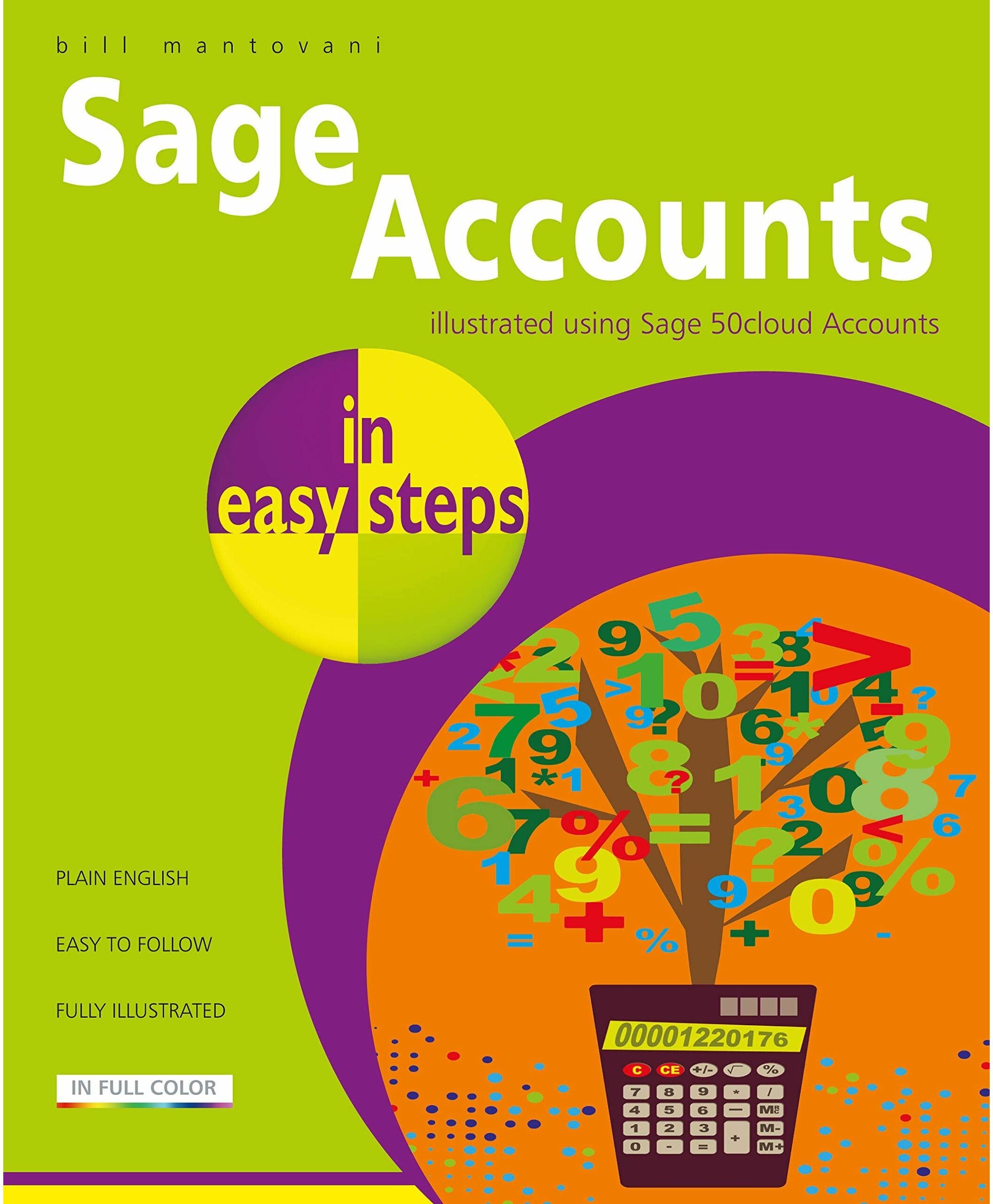
In Easy Steps Limited Sage Accounts in easy steps: illustrated using Sage 50cloud by Bill MantovaniSage Accounts is the UK's market-leading accounts software. It lets you manage your day-to-day finances, customers, suppliers and VAT and keeps your finger on the pulse of your business. Sage Accounts in easy steps uses detailed images and easy-to-follow instructions, showing you how to quickly get to grips with the new features of this leading accounts software. This definitive guide clarifies everything from basic recording keeping to utilising Sage as an information-bank for making crucial business decisions. Areas covered include: Setting up Sage, entering debtors and creditors Producing purchase/sales orders and invoices Bank account reconciliation Stock management, including Bill of Materials Important month and year end procedures Processing the VAT return and e-Submission Generating invaluable management reports Sage Accounts in easy steps is ideal for non-accountants using Sage for the first time, or just needing to grasp the new key features all in easy steps! Illustrated using Sage 50cloud Table of Contents Getting Started The Customer Ledger The Supplier Ledger The Nominal Ledger The Bank Products Invoices Processing Sales Orders Purchase Orders Financial Reporting Fixed Assets The Report Designer Opening Balances Data Management Task Management5,95 £*Shipping: 2,99 £Secure redirect to the provider
-
Do local user accounts slow down Windows?
Local user accounts do not inherently slow down Windows. The performance of a computer is more dependent on factors such as hardware specifications, running processes, and system settings. However, having multiple user accounts with various applications running simultaneously can potentially impact system performance. It is recommended to manage user accounts efficiently and close unnecessary programs to maintain optimal performance. **
-
How authentic are the accounts of Tim Lindemann's accusations?
The authenticity of Tim Lindemann's accusations is difficult to determine without further evidence or investigation. It is important to approach such accusations with caution and skepticism, as they can have serious implications for all parties involved. It is crucial to allow for a fair and thorough investigation to take place in order to determine the veracity of the accusations. Without concrete evidence, it is important to refrain from making definitive judgments about the authenticity of the accounts. **
-
Does creating local user accounts slow down Windows?
Creating local user accounts does not inherently slow down Windows. However, having a large number of user accounts on a single system can potentially impact performance, as the system has to manage and allocate resources for each account. Additionally, if the user accounts have excessive permissions or are running resource-intensive applications, it can also affect the overall performance of the system. Overall, the impact on performance will depend on the specific usage and configuration of the user accounts. **
-
Are all expense accounts debit accounts?
No, not all expense accounts are debit accounts. Expense accounts can be either debit or credit accounts, depending on the accounting system being used. In a single-entry accounting system, expense accounts are typically debit accounts, while in a double-entry accounting system, expense accounts can be either debit or credit accounts depending on the nature of the expense. For example, in a double-entry system, some expenses like rent and utilities are recorded as debit expenses, while others like sales discounts and returns are recorded as credit expenses. **
Similar search terms for Accounts
-
What are bank accounts and postal checking accounts?
Bank accounts are financial accounts held at a financial institution, such as a bank, that allow individuals to deposit and withdraw money, make payments, and earn interest on their deposits. These accounts typically come with a range of services, such as online banking and debit cards. Postal checking accounts, on the other hand, are similar to bank accounts but are offered by postal services or post offices. They provide similar services as bank accounts, allowing individuals to manage their money and make transactions. **
-
Are expense and revenue accounts always active accounts?
Expense and revenue accounts are considered temporary or nominal accounts, which means they are closed at the end of each accounting period to the retained earnings account. Therefore, they are not considered active accounts in the same way that asset, liability, and equity accounts are. Expense and revenue accounts are used to track the company's income and expenses over a specific period, and their balances are transferred to the income statement to calculate the net income or loss for that period. **
-
What are bank accounts and post-check accounts?
Bank accounts are financial accounts held by individuals or businesses at a financial institution, such as a bank, where money can be deposited, withdrawn, and managed. These accounts typically offer services such as debit cards, online banking, and the ability to earn interest on deposited funds. Post-check accounts are a type of bank account that allows the account holder to write checks against the account balance, which can be cashed or deposited by the recipient. These accounts are commonly used for making payments and managing finances. **
-
How can one forget culture and heritage?
One can forget culture and heritage by not actively engaging with it, by being disconnected from one's roots and community, and by prioritizing other aspects of life over preserving and celebrating one's cultural identity. This can happen through assimilation into a different culture, lack of exposure to one's own cultural traditions and practices, and a lack of interest in learning about one's heritage. Additionally, societal pressures and discrimination can also contribute to the erasure of one's culture and heritage. **
* All prices are inclusive of VAT and, if applicable, plus shipping costs. The offer information is based on the details provided by the respective shop and is updated through automated processes. Real-time updates do not occur, so deviations can occur in individual cases. ** Note: Parts of this content were created by AI.