Buy nascutinromania.eu ?
We are moving the project
nascutinromania.eu .
Are you interested in purchasing the domain
nascutinromania.eu ?
domain@kv-gmbh.de · 0541-91531010
Buy nascutinromania.eu ?
Is the chestnut (sweet chestnut) toxic to dogs?
Yes, chestnuts, including sweet chestnuts, are not toxic to dogs when consumed in moderation. However, they should be given to dogs in small amounts and only as an occasional treat. Eating large quantities of chestnuts can lead to gastrointestinal upset in dogs due to their high fiber content. It is always best to consult with a veterinarian before introducing any new food to your dog's diet. **
Can the chestnut sapling survive without a chestnut?
Yes, a chestnut sapling can survive without a chestnut. The chestnut is the seed that germinates to grow into a sapling, but once the sapling has established its own root system and is able to photosynthesize and absorb nutrients from the soil, it no longer relies on the original chestnut for survival. The chestnut seed provides the initial nutrients and energy for the sapling to grow, but once it becomes self-sufficient, it can continue to grow and thrive independently. **

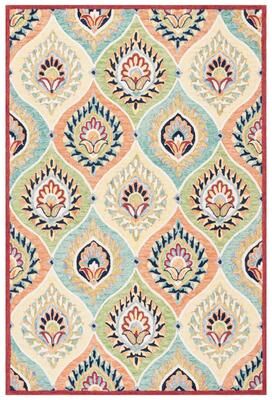
Similar search terms for Chestnut
Top-Angebote
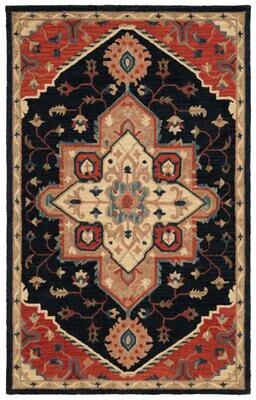
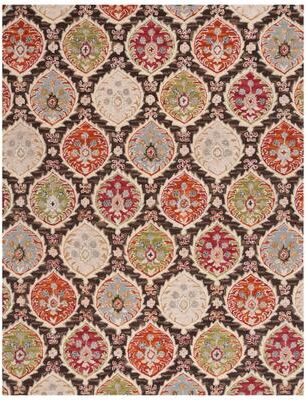
Products related to Chestnut:


-
Is the chestnut (edible chestnut) toxic to dogs?
Yes, chestnuts are not toxic to dogs and can be safely consumed by them. However, it is important to feed them in moderation as they are high in carbohydrates and can cause stomach upset or digestive issues if consumed in large quantities. Additionally, it is best to feed chestnuts to dogs in their natural, unseasoned form to avoid any potential health risks. **
-
What is chestnut puree?
Chestnut puree is a sweet and creamy spread made from cooked and pureed chestnuts. It is often sweetened with sugar and flavored with vanilla or other spices. Chestnut puree can be used as a filling for pastries, cakes, and desserts, or spread on toast or crackers. It is a popular ingredient in European and Mediterranean cuisines. **
-
Is this a chestnut mushroom?
Without a visual reference, it is difficult to definitively identify whether a mushroom is a chestnut mushroom. However, chestnut mushrooms are typically medium to dark brown in color, with a rounded cap and a short stem. They also have a mild, nutty flavor. If the mushroom in question matches these characteristics, it is likely a chestnut mushroom. If you are unsure, it is best to consult a mushroom identification guide or an expert before consuming. **
-
Are those chestnut brown caps?
Yes, those are chestnut brown caps. They have a rich brown color that resembles the shade of chestnuts, and they are likely made from a material that has been dyed or naturally grown in that color. The caps may also have a glossy or matte finish that further enhances their chestnut brown appearance. **

Can budgerigars have chestnut branches?
Yes, budgerigars can have chestnut branches as part of their environment or cage setup. Chestnut branches can provide a natural and enriching element for budgerigars to perch on, explore, and chew on. However, it is important to ensure that the branches are clean, untreated, and free from any pesticides or harmful substances before introducing them to the budgerigar's environment. Regularly inspecting the branches for any signs of damage or wear is also recommended to prevent any potential hazards to the birds. **
Is this a chestnut bolete?
Without a visual reference, it is difficult to definitively identify a chestnut bolete. However, chestnut boletes typically have a chestnut-brown cap with a velvety texture and a stout, bulbous stem. The underside of the cap usually has small, angular pores that are yellow when young and turn olive-brown as the mushroom matures. To accurately identify a chestnut bolete, it is best to consult a field guide or an experienced mycologist. **
Top-Angebote
Products related to Chestnut:
-
Carolina Chair And Table Co. Clifton Cane Accent Table Chestnut , ChestnutGreat style is easy to achieve when decorating with the Clifton Cane Chestnut Accent Table. This rustic, handcrafted mango wood accent table is beautifully finished by hand and features two lower shelves with intricate cane detailing and turned...174,99 $*Shipping: 0,00 $Secure redirect to the provider
-
Is the chestnut (sweet chestnut) toxic to dogs?
Yes, chestnuts, including sweet chestnuts, are not toxic to dogs when consumed in moderation. However, they should be given to dogs in small amounts and only as an occasional treat. Eating large quantities of chestnuts can lead to gastrointestinal upset in dogs due to their high fiber content. It is always best to consult with a veterinarian before introducing any new food to your dog's diet. **
-
Can the chestnut sapling survive without a chestnut?
Yes, a chestnut sapling can survive without a chestnut. The chestnut is the seed that germinates to grow into a sapling, but once the sapling has established its own root system and is able to photosynthesize and absorb nutrients from the soil, it no longer relies on the original chestnut for survival. The chestnut seed provides the initial nutrients and energy for the sapling to grow, but once it becomes self-sufficient, it can continue to grow and thrive independently. **
-
Is the chestnut (edible chestnut) toxic to dogs?
Yes, chestnuts are not toxic to dogs and can be safely consumed by them. However, it is important to feed them in moderation as they are high in carbohydrates and can cause stomach upset or digestive issues if consumed in large quantities. Additionally, it is best to feed chestnuts to dogs in their natural, unseasoned form to avoid any potential health risks. **
-
What is chestnut puree?
Chestnut puree is a sweet and creamy spread made from cooked and pureed chestnuts. It is often sweetened with sugar and flavored with vanilla or other spices. Chestnut puree can be used as a filling for pastries, cakes, and desserts, or spread on toast or crackers. It is a popular ingredient in European and Mediterranean cuisines. **
Similar search terms for Chestnut
-
Is this a chestnut mushroom?
Without a visual reference, it is difficult to definitively identify whether a mushroom is a chestnut mushroom. However, chestnut mushrooms are typically medium to dark brown in color, with a rounded cap and a short stem. They also have a mild, nutty flavor. If the mushroom in question matches these characteristics, it is likely a chestnut mushroom. If you are unsure, it is best to consult a mushroom identification guide or an expert before consuming. **
-
Are those chestnut brown caps?
Yes, those are chestnut brown caps. They have a rich brown color that resembles the shade of chestnuts, and they are likely made from a material that has been dyed or naturally grown in that color. The caps may also have a glossy or matte finish that further enhances their chestnut brown appearance. **
-
Can budgerigars have chestnut branches?
Yes, budgerigars can have chestnut branches as part of their environment or cage setup. Chestnut branches can provide a natural and enriching element for budgerigars to perch on, explore, and chew on. However, it is important to ensure that the branches are clean, untreated, and free from any pesticides or harmful substances before introducing them to the budgerigar's environment. Regularly inspecting the branches for any signs of damage or wear is also recommended to prevent any potential hazards to the birds. **
-
Is this a chestnut bolete?
Without a visual reference, it is difficult to definitively identify a chestnut bolete. However, chestnut boletes typically have a chestnut-brown cap with a velvety texture and a stout, bulbous stem. The underside of the cap usually has small, angular pores that are yellow when young and turn olive-brown as the mushroom matures. To accurately identify a chestnut bolete, it is best to consult a field guide or an experienced mycologist. **
* All prices are inclusive of VAT and, if applicable, plus shipping costs. The offer information is based on the details provided by the respective shop and is updated through automated processes. Real-time updates do not occur, so deviations can occur in individual cases. ** Note: Parts of this content were created by AI.