Buy nascutinromania.eu ?
We are moving the project
nascutinromania.eu .
Are you interested in purchasing the domain
nascutinromania.eu ?
domain@kv-gmbh.de · 0541-91531010
Buy nascutinromania.eu ?
Why is the bee sting called bee sting?
The bee sting is called a bee sting because it is the result of a bee injecting its venom into the skin. When a bee stings, it releases a venom that causes pain, swelling, and sometimes an allergic reaction in humans. The term "bee sting" is used to specifically describe the injury caused by a bee's venomous sting. **
What helps against the sting after a bee sting?
To help alleviate the sting after a bee sting, it is recommended to remove the stinger as quickly as possible to prevent more venom from entering the skin. Then, wash the affected area with soap and water to reduce the risk of infection. Applying a cold compress or ice pack can help reduce swelling and pain. Over-the-counter antihistamines or hydrocortisone cream can also help relieve itching and inflammation. If the symptoms are severe or an allergic reaction occurs, seek medical attention immediately. **

Similar search terms for Sting
Top-Angebote
Products related to Sting:


-
Does a wasp sting or a bee sting hurt more?
The pain experienced from a wasp sting or a bee sting can vary from person to person, as well as depending on the individual's sensitivity to the venom. However, in general, a wasp sting is often considered to be more painful than a bee sting. This is because a wasp can sting multiple times and its venom contains a higher level of certain chemicals that can cause more intense pain and irritation. On the other hand, a bee can only sting once before it dies, and its venom is designed more for defense rather than causing pain. **
-
What is worse, a wasp sting or a hornet sting?
Both wasp stings and hornet stings can be painful and cause swelling, redness, and itching at the site of the sting. However, generally speaking, a hornet sting is considered to be worse than a wasp sting. This is because hornets are larger and can inject more venom with their sting, leading to more intense pain and potentially more severe reactions in some individuals. Additionally, some people may be allergic to hornet venom, which can result in a more serious allergic reaction called anaphylaxis. **
-
What is worse: a bee sting or a wasp sting?
Both bee stings and wasp stings can be painful, but the severity of the reaction can vary from person to person. In general, wasp stings are considered to be more painful and can cause a more severe reaction due to the venom they inject. Wasp stings can also be more dangerous for those who are allergic, as they can cause anaphylaxis. However, for those who are not allergic, the pain and reaction to a bee sting may be more tolerable. **
-
Do the caterpillars sting?
No, caterpillars do not sting. While some caterpillars may have spines or hairs that can cause skin irritation or allergic reactions in some people, they do not have the ability to sting like bees or wasps. It's important to be cautious around caterpillars with spines or hairs, but they are not capable of stinging in the traditional sense. **


Is this a sting?
Without more context, it is difficult to determine whether "this" is a sting. A sting operation typically involves law enforcement setting up a situation to catch someone in the act of committing a crime. If you have specific details about the situation in question, it would be helpful in determining whether it is a sting or not. **
Can the animals sting?
Yes, some animals can sting. For example, bees, wasps, and scorpions have stingers that they use for defense or to capture prey. These stingers can inject venom into their victims, causing pain, swelling, and in some cases, allergic reactions. It's important to be cautious around these animals and to seek medical attention if stung. **
Top-Angebote
Products related to Sting:
-
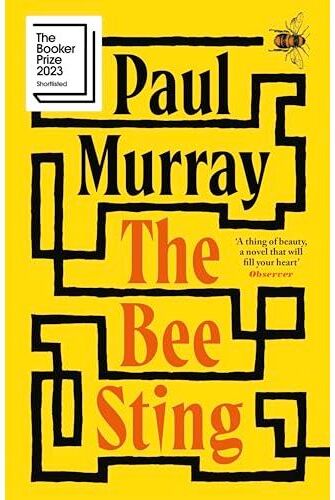
Hamish Hamilton The Bee Sting: Shortlisted for the Booker PrizeWINNER OF THE NERO BOOK AWARD FOR FICTION WINNER OF AN POST IRISH BOOK OF THE YEAR SHORTLISTED FOR THE BOOKER PRIZE SHORTLISTED FOR THE WRITERS’ PRIZE FOR FICTION ONE OF SARAH JESSICA PARKER’S BEST BOOKS Book of the Year according to New York Times, New Yorker, The Sunday Times, The Economist, Observer, Guardian, Washington Post, Lit Hub, TIME magazine, Irish Times, The Oldie, Daily Mail, i Paper, Independent, The Standard, The Times, Kirkus, Daily Express, City A.M. From one of our greatest comic novelists and the author of Skippy Dies comes a funny, thought-provoking story of one family desperately clinging on as their world falls apart . . . 'A tragicomic triumph. You won't read a sadder, truer, funnier novel this year' GuardianThe Barnes family is in trouble. Dickie's once-lucrative car business is going under - but rather than face the music, he's spending his days in the woods, building an apocalypse-proof bunker with a renegade handyman. His wife Imelda is selling off her jewellery on eBay while their teenage daughter Cass, formerly top of her class, seems determined to binge-drink her way to her final exams. And twelve-year-old PJ is putting the final touches to his grand plan to run away from home. Where did it all go wrong? A patch of ice on the tarmac, a casual favour to a charming stranger, a bee caught beneath a bridal veil?Can a single moment of bad luck change the direction of a life? And if the story has already been written - is there still time to find a happy ending?‘The finest novel that Murray has yet written . . . will surely be one of the books of 2023’ Sunday Independent'Murray is a natural storyteller . . . Ambitious, expansive, hugely entertaining tragicomic fiction' Irish Times'It's a thing of beauty, a novel that will fill your heart' Observer‘Generous, immersive, sharp-witted and devastating . . . a triumph’ Financial Times‘It's been compared to Jonathan Franzen's The Corrections; I'd argue it's better’ Daily Mail14,99 £*Shipping: 2,99 £Secure redirect to the provider
-
Why is the bee sting called bee sting?
The bee sting is called a bee sting because it is the result of a bee injecting its venom into the skin. When a bee stings, it releases a venom that causes pain, swelling, and sometimes an allergic reaction in humans. The term "bee sting" is used to specifically describe the injury caused by a bee's venomous sting. **
-
What helps against the sting after a bee sting?
To help alleviate the sting after a bee sting, it is recommended to remove the stinger as quickly as possible to prevent more venom from entering the skin. Then, wash the affected area with soap and water to reduce the risk of infection. Applying a cold compress or ice pack can help reduce swelling and pain. Over-the-counter antihistamines or hydrocortisone cream can also help relieve itching and inflammation. If the symptoms are severe or an allergic reaction occurs, seek medical attention immediately. **
-
Does a wasp sting or a bee sting hurt more?
The pain experienced from a wasp sting or a bee sting can vary from person to person, as well as depending on the individual's sensitivity to the venom. However, in general, a wasp sting is often considered to be more painful than a bee sting. This is because a wasp can sting multiple times and its venom contains a higher level of certain chemicals that can cause more intense pain and irritation. On the other hand, a bee can only sting once before it dies, and its venom is designed more for defense rather than causing pain. **
-
What is worse, a wasp sting or a hornet sting?
Both wasp stings and hornet stings can be painful and cause swelling, redness, and itching at the site of the sting. However, generally speaking, a hornet sting is considered to be worse than a wasp sting. This is because hornets are larger and can inject more venom with their sting, leading to more intense pain and potentially more severe reactions in some individuals. Additionally, some people may be allergic to hornet venom, which can result in a more serious allergic reaction called anaphylaxis. **
Similar search terms for Sting
-
What is worse: a bee sting or a wasp sting?
Both bee stings and wasp stings can be painful, but the severity of the reaction can vary from person to person. In general, wasp stings are considered to be more painful and can cause a more severe reaction due to the venom they inject. Wasp stings can also be more dangerous for those who are allergic, as they can cause anaphylaxis. However, for those who are not allergic, the pain and reaction to a bee sting may be more tolerable. **
-
Do the caterpillars sting?
No, caterpillars do not sting. While some caterpillars may have spines or hairs that can cause skin irritation or allergic reactions in some people, they do not have the ability to sting like bees or wasps. It's important to be cautious around caterpillars with spines or hairs, but they are not capable of stinging in the traditional sense. **
-
Is this a sting?
Without more context, it is difficult to determine whether "this" is a sting. A sting operation typically involves law enforcement setting up a situation to catch someone in the act of committing a crime. If you have specific details about the situation in question, it would be helpful in determining whether it is a sting or not. **
-
Can the animals sting?
Yes, some animals can sting. For example, bees, wasps, and scorpions have stingers that they use for defense or to capture prey. These stingers can inject venom into their victims, causing pain, swelling, and in some cases, allergic reactions. It's important to be cautious around these animals and to seek medical attention if stung. **
* All prices are inclusive of VAT and, if applicable, plus shipping costs. The offer information is based on the details provided by the respective shop and is updated through automated processes. Real-time updates do not occur, so deviations can occur in individual cases. ** Note: Parts of this content were created by AI.